Continuity
Relevant context persists across interactions instead of being rebuilt from scratch.
The gr{Ai}Γ Harness preserves relevant context across systems, recognizes when information is fresh or stale, and limits what reaches the language model to discrete work that can be checked.
Your systems already know more than they use.
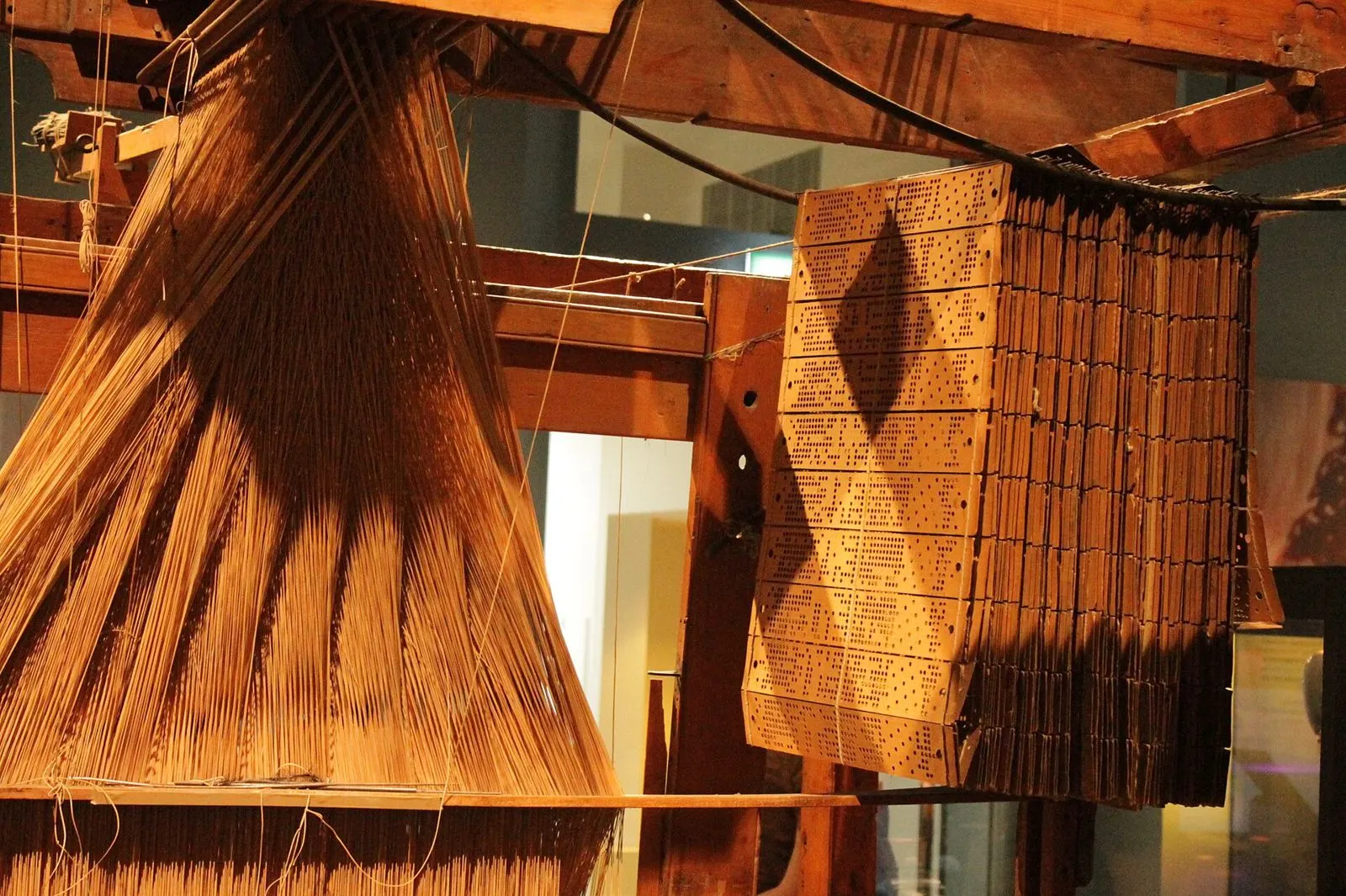
In 1804 a loom took its pattern from punched cards. Same cards, same cloth, every time.
Relevant context persists across interactions instead of being rebuilt from scratch.
Information is treated according to whether it is still current or needs a refresh.
Only the work that needs language-model reasoning goes to the model.
Model output is evaluated as a bounded result, with a clear question to check.
Fewer repeated calls and less context resent, because checked work is carried forward.
Orchestration, boundaries and validators are deterministic. The model is not, and is never trusted as if it were.
The Harness sits between your systems and the models used for specific work. Pick a model for the task while the wider system stays independent of it.
apiVersion: 100monkeys.ai/v1
kind: Agent
metadata:
  name: "hello-world"
spec:
  security:
    network:
      mode: none
    resources:
      timeout: "120s"
  execution:
    mode: iterative
    max_iterations: 5
    validation:
      - type: exit_code
        expected: 0
      - type: semantic
        judge_agent: "output-judge"
min_score: 0.85Iteration 1: ModuleNotFoundError
Iteration 2: Installing missing dependency...
Iteration 2: TypeError in line 47
Iteration 3: Fixing type annotation...
Iteration 3: All validators passed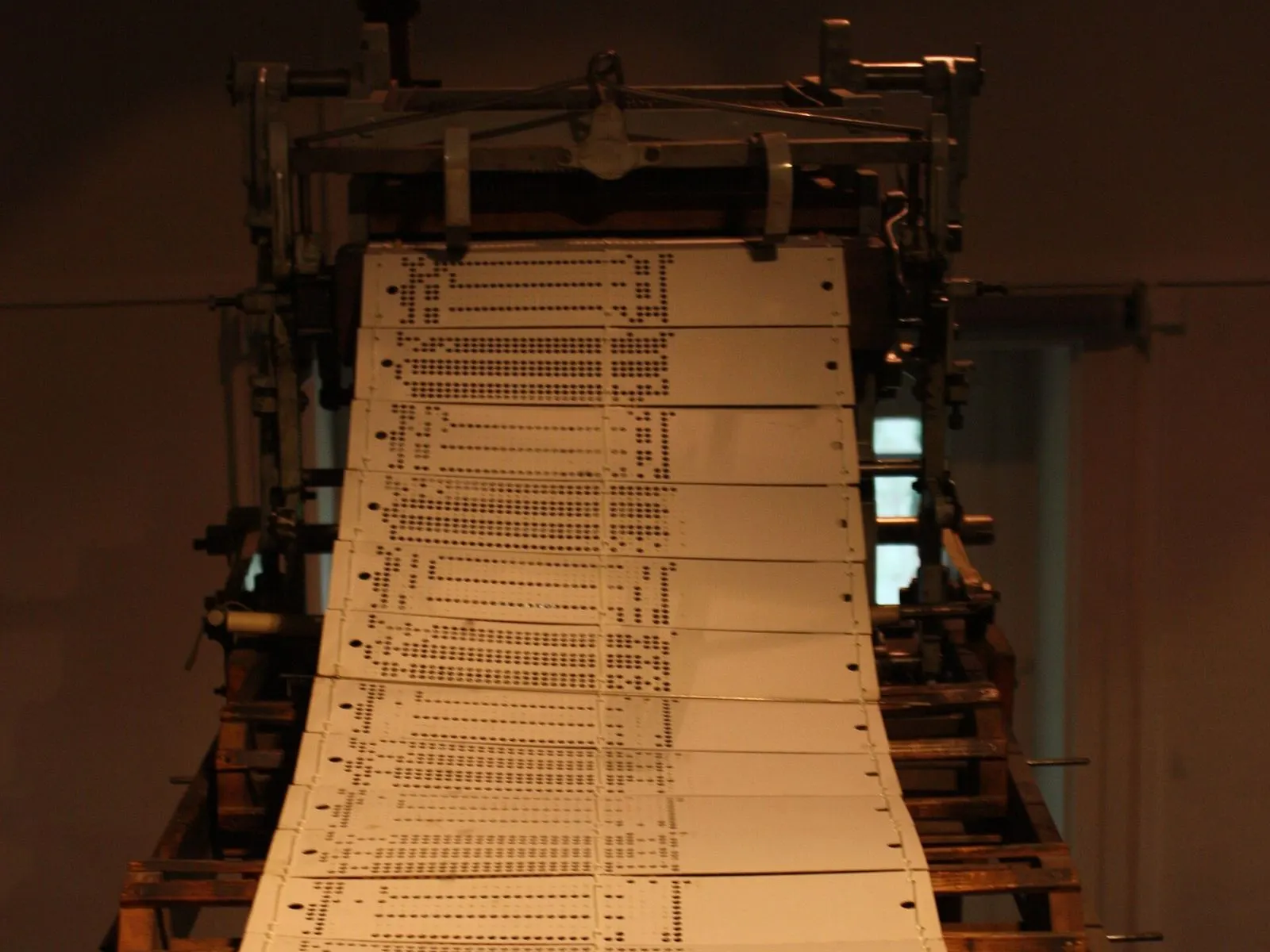
Agree what the workflow does and what it costs today.
Scope the integration around the systems involved.
Compare against the baseline and review the support needed.